
If by “space heater” you mean a portable electric space heater, the U.S. Consumer Product Safety Commission recommends turning it off when you go to sleep.
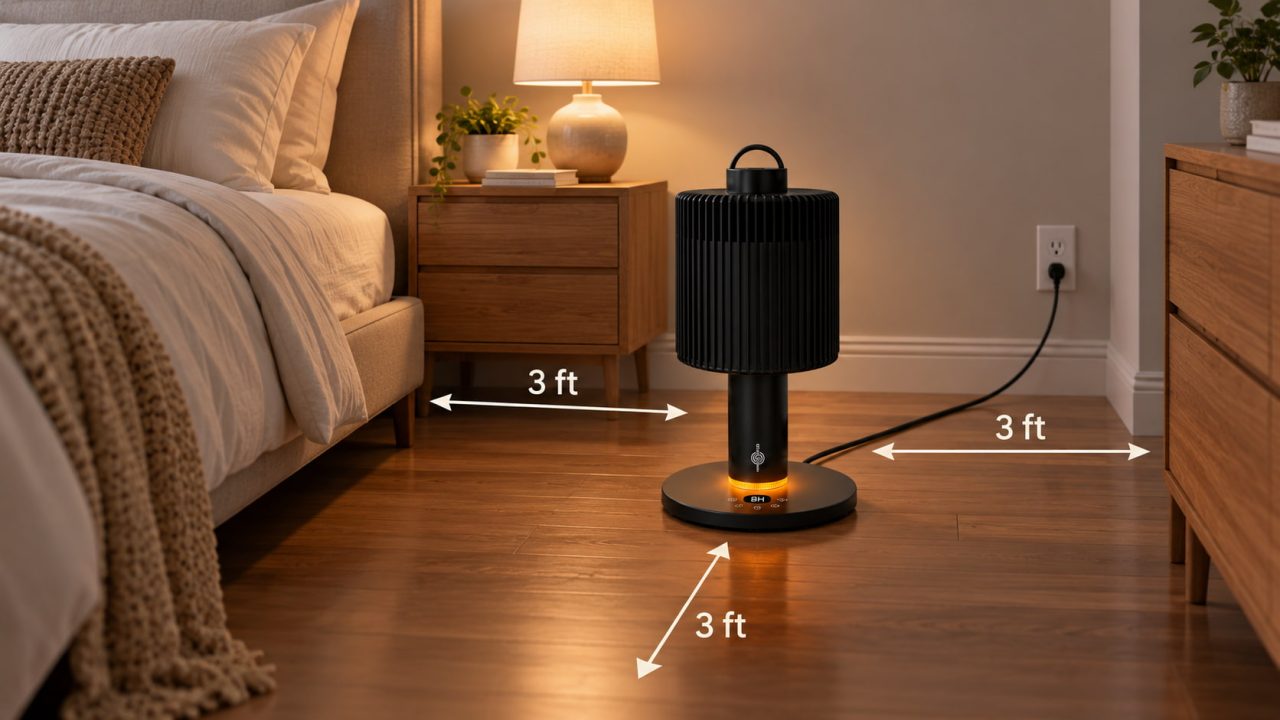
CPSC also advises keeping portable heaters at least three feet from bedding, curtains, furniture, and other combustible materials, and plugging electric space heaters directly into a wall outlet. You can read the current CPSC space-heater safety guidance.
Wall-plug, wall-mounted, and other electric-heater designs may use different controls and operating instructions. A timer, thermostat, overheat protection, or automatic shut-off tells you something about how a heater operates. Those features do not, by themselves, prove that unattended overnight use is recommended.
So when asking is it safe to leave a space heater on overnight, the heater type and its operating instructions matter.
Safety Features Control Specific Risks
Electric heaters may include several automatic controls, but those features do not all serve the same purpose.
A timer manages operating time. Overheat protection responds to excessive temperature inside the heater. A thermostat reacts to temperature settings. Other shut-off functions may respond to conditions defined by the product design.
Understanding those differences is more useful than simply checking whether a heater has “safety features.”
A Timer Controls How Long the Heater Runs
A timer can be useful when you want to warm a bedroom before going to bed.
For example, you might run a heater while you are still awake and use the timer to limit the operating period. The appropriate setting should always follow the instructions for that model.
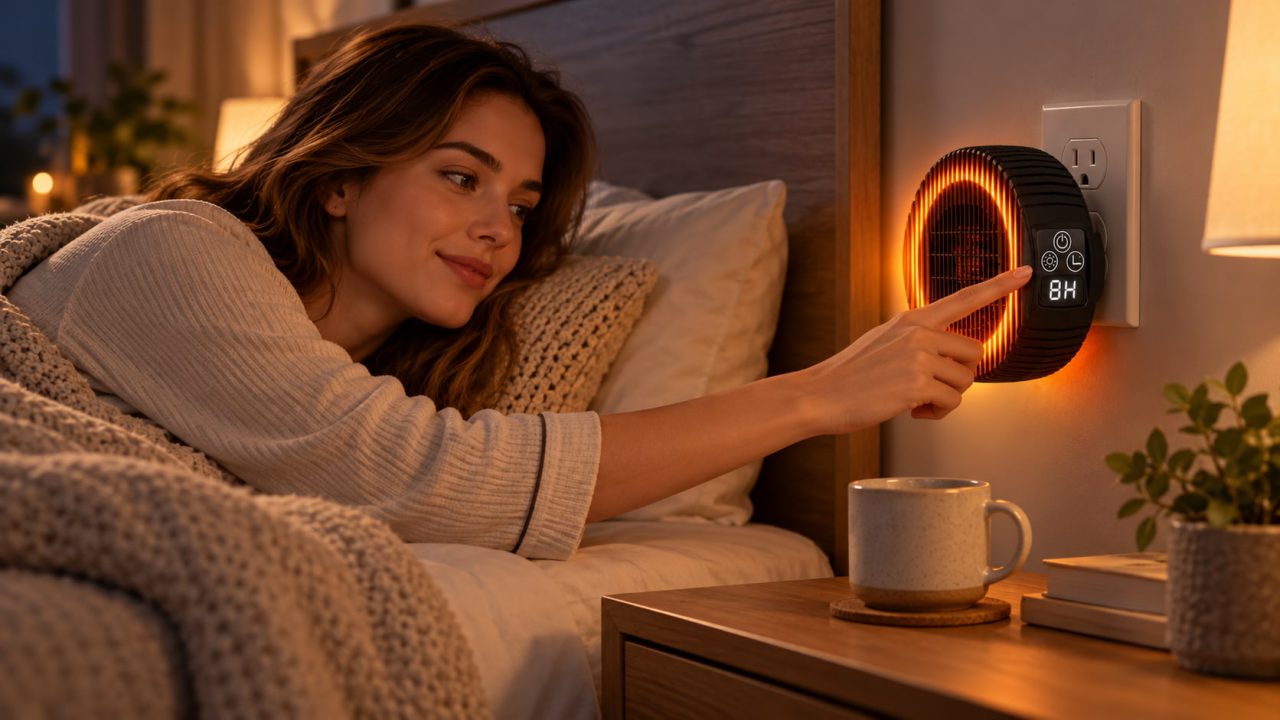
The WindBillion HT04 Wall-Mounted Halo Heater includes a 1–8 hour adjustable timer and overheat protection.
Those specifications describe how HT04 can be controlled during normal use. They should not be interpreted as general evidence that any electric heater is suitable for unattended overnight operation.
In other words, a timer tells you when the heater can stop. It does not answer the entire overnight-safety question on its own.
Automatic Shut-Off Does Not Monitor the Whole Room
Automatic protection also has limits.
A heater may detect excessive internal temperature, but it cannot necessarily detect every change around the unit. Bedding can move. Clothing may fall nearby. Airflow can become restricted. A plug or outlet can develop a problem.
If a heater repeatedly stops during normal operation, do not keep restarting it without checking why. WindBillion’s guide to why a space heater keeps turning off covers common causes such as timers, blocked airflow, overheating, and electrical problems.
Check the Room Before Bedtime
The controls inside a heater are only one part of safe use.
Bedrooms also contain blankets, curtains, clothing, furniture, and other items that may move during the evening. A heater that had enough open space earlier may no longer have the same clearance later.
Keep Combustible Materials Away
For portable heaters, maintain at least three feet between the heater and bedding, curtains, furniture, clothing, paper, or other combustible materials.
Do not check only the front of the heater.
A blanket hanging over the edge of a bed or clothing left on the floor can reduce the safe distance. Keep the intake and outlet clear as well so nearby objects do not interfere with normal airflow.
Use the Proper Electrical Connection
Portable electric space heaters should plug directly into a suitable wall outlet rather than an extension cord or power strip.
Pay attention to the plug and outlet while the heater is operating.
Stop using the heater if the connection becomes unusually hot, shows visible damage, produces an unusual smell, or repeatedly trips the circuit. Those signs need attention before the heater goes back into service.
What If the Bedroom Gets Too Cold During the Night?
If you regularly feel that a portable heater needs to run until morning, it is worth asking why the room loses so much heat after the heater switches off.
Check for noticeable drafts around windows and doors. Compare the bedroom with nearby rooms. Make sure the home’s installed heating system works normally and that furniture or curtains are not blocking a vent or radiator.
If one bedroom stays much colder than the rest of the home, the portable heater may be compensating for poor heat distribution, drafts, or another room-level issue.
A space heater can still provide supplemental warmth while you are awake. The WindBillion HT06 Upright Heater is a 1500W electric heater intended for supplemental indoor heating in spaces such as bedrooms and offices.
If a room requires continuous heat every night, however, the longer-term issue is how that room maintains a comfortable temperature during sleeping hours rather than how long a supplemental heater can remain switched on.
How Long Can You Leave a Space Heater On?
There is no universal number of hours that automatically makes space-heater use safe.
One model may offer a two-hour timer. Another may provide eight hours or use a different shut-off period. Those numbers describe the heater’s controls and operating features. This is also why the question “is it safe to leave a space heater on overnight” cannot be answered by timer length alone.
They do not replace proper placement, a suitable electrical connection, supervision, or the manufacturer’s instructions.
That is why how long can you leave a space heater on and can you leave a space heater on overnight are not exactly the same question.
A heater may technically be capable of operating for many hours. Runtime capability alone does not establish whether unattended overnight use is appropriate.
Portable Electric Heaters Should Be Turned Off Before Sleep
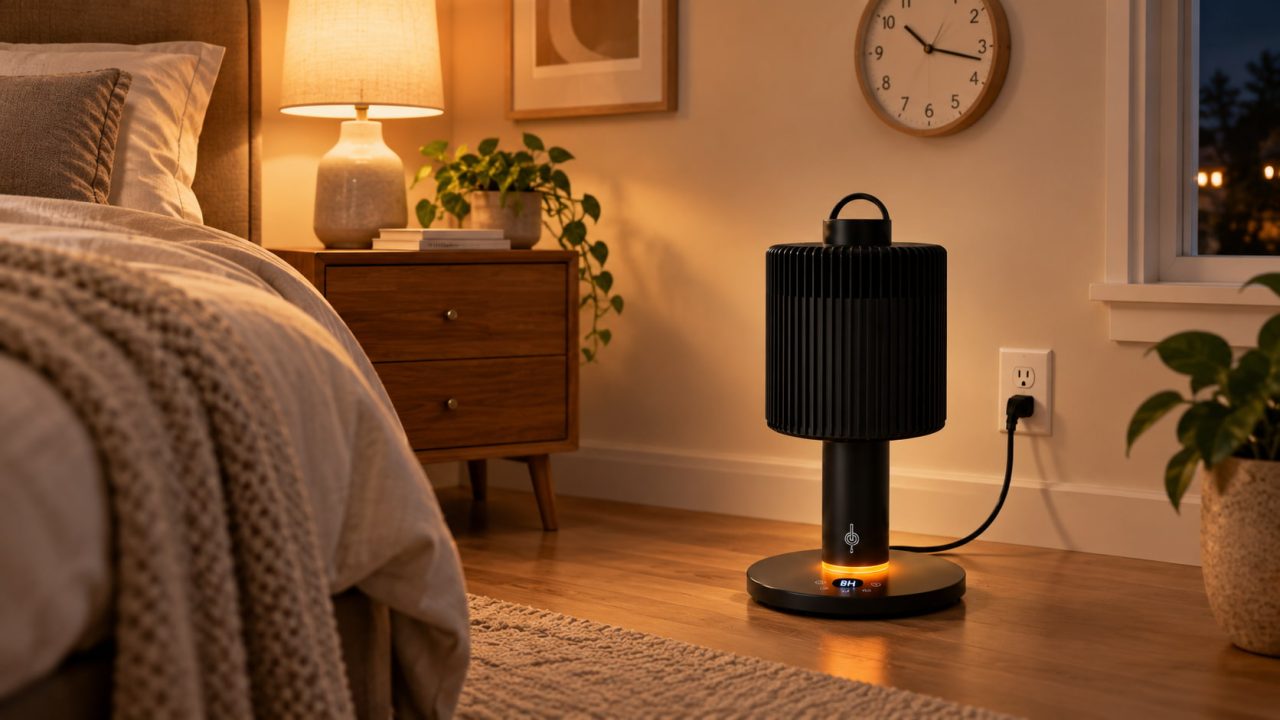
For portable electric space heaters, the clearest bedtime guidance is to use them while you are awake and turn them off before sleeping.
Timers, thermostats, overheat protection, and automatic shut-off remain useful because they help control specific parts of heater operation. For wall-plug, wall-mounted, or other electric-heater designs, follow the operating instructions for that specific model rather than assuming every heater should be used in exactly the same way.
If your bedroom consistently becomes too cold overnight, investigate drafts, heat distribution, and the home’s normal heating system instead of treating continuous portable-heater use as the only solution.
So the practical answer to is it safe to leave a space heater on overnight is this: for a portable electric heater, follow the bedtime safety guidance and switch it off before sleeping; for other electric-heater designs, understand the controls and follow the manufacturer’s instructions rather than assuming a timer alone makes unattended overnight use appropriate.